Here in Cloud Cuckoo Land, many of our team of artists, producers and creatives are neurodivergent (“ND”): which means our brains work slightly differently from the majority of people’s brains in one way or another. People whose brains work in the same way as the majority of people’s are called neurotypical, or NT. There are lots of different neurodivergent profiles represented in Cloud Cuckoo Land, including Autism, Tourette’s Syndrome, ADHD, dyslexia and dyspraxia. This means our performances, workshops and installations are often popular with ND children and adults because they’re naturally ND-friendly.
In our new series of in-depth blog posts, ND Unmasked, people who’ve got lived experience reveal a few things that you might not know about life beyond the label. Each post is written collectively by people from our pool of artists and collaborators – their identity isn’t revealed, giving them the freedom to speak honestly and openly. If you wish to share any of the articles in part or whole, please contact Cloud Cuckoo Land Theatre on hello@cloudcuckoolandtheatre.com, and we’ll approach the authors for permissions: they retain the copyright.
First up, we’re marking Autism Acceptance Month with some autistic home truths.
Content warning: Ableism, Racism, HOMOPHOBIA, Transphobia, ABA
ALTERNATIVE FORMATS
If the format you require isn’t available below, please email us on hello@cloudcuckoolandtheatre.com
AUDIO VERSION:
LARGE PRINT PDF:
PLAIN TEXT WORD:
PLAIN TEXT PDF:
EASY READ VERSION COMING SOON: We’re doing this work with a limited budget, so we don’t have the capacity to create this for such a long blog – but we’re keen to add it, so if any organisations with more resources are able to assist, please get in touch.
20 THINGS YOU MIGHT NOT KNOW ABOUT AUTISM Most people think they know what autism is – but in fact, it’s deeply misunderstood and stigmatised. Here are some facts you might find surprising…
By autistic artists, for everyone! Please email copyright enquiries to hello@cloudcuckoolandtheatre.com.
CHAPTERS: Click the links to skip to that chapter:
- — AUTISM ISN’T ALWAYS A DISABILITY
- — MANY AUTISTIC PEOPLE PREFER ‘IDENTITY-FIRST’ LANGUAGE
- — AUTISM IS MISREPRESENTED
- — AUTISTS CAN BE PRIVILEGED, TOO
- — AUTISTIC PEOPLE ARE LESS LIKELY TO BE STRAIGHT + CIS
- — AUTISM IS MISINTERPRETED
- — AUTISM CAN BE MASKED
- — SELF-DIAGNOSIS IS VALID
- — NON-SPEAKING DOESN’T MEAN UNINTELLIGENT
- — THE AUTISTIC COMMUNITY INCLUDES VARIED PERSPECTIVES
- — YOU NEED TO KNOW ABOUT ABA
- — WE MIGHT NOT BE IMPRESSED IF YOU QUOTE SIMON BARON COHEN
- — AUTISM IS CHANGEABLE
- — AUTISTIC PEOPLE ARE HIGHLY EMPATHIC
- — MANY AUTISTICS EXPERIENCE WRITTEN COMMUNICATION DIFFERENTLY
- — AUTISM IS SENSORY
- — AUTISTICS LOVE TO BE PREPARED
- — MELTDOWNS, SHUTDOWNS AND THEIR TOLL
- — AUTISTICS LOVE HONESTY
- — REASONS TO BE CHEERFUL
1 – AUTISM ISN’T ALWAYS A DISABILITY
- Autism is a neurotype. It isn’t an illness or a disease and it can’t be “cured”. Many autists do consider themselves to be disabled by their autism – yet many others do not. Autism is often also accompanied by one or more separate physical or cognitive disabilities common in autistic people – but not always.
- Lots of us in the autistic community, whether disabled or not, consider autism to be a positive feature at the core of our identity rather than a flaw in it: a difference in perspective which brings with it valuable skills as well as challenges. Many of us would prefer to be autistic than allistic (the word for people who aren’t autistic), and wouldn’t be interested in a “cure” anyway.
- It was allistic people who framed this neurodivergent profile as being a disorder, rather than a difference. For example, allistic people often find it harder to communicate with autistic people than with other allistic people – but this works both ways! Autistics are often more comfortable hanging out with other autistics too, finding their neurotypical (NT) peers more difficult to communicate with. Allistic folks define autistics as having social communication “deficits”, like not making enough eye contact – but some autistic folk think NTs have social communication “deficits”, like staring at other people in a way that makes normal people feel quite uncomfortable!
Click here to go back to list of chapters
2 – MANY AUTISTIC PEOPLE PREFER ‘IDENTITY-FIRST’ LANGUAGE

- ‘Person-first’ language used to be considered the most inclusive way to refer to autistic people: it means you literally name the person first, ie. describe them as a “person with autism”. In contrast, ‘identity-first’ language is just that: you mention the autism first, ie. “autistic person”. The idea of person-first language is that allistics need reminding to think of autistic folk as human beings rather than defective aliens, so saying PERSON loudly in advance helps them do so. However, this descriptor has largely been driven by high-profile NT-led organisations who speak “for”, and all too often over, genuine autistic voices. In fact, a lot of people who have an autism diagnosis feel that person-first language pathologises their identity: it makes autism sound like a disease or a condition, and so further stigmatises and excludes the autistic community. The same goes for talking about “having Autism”.
- As an autistic person, it certainly seems like the majority of autistic adults find person-first language offensive, and view it as a red-flag when an organisation claiming to be inclusive uses it as standard – but this observation is just based on autistic people I encounter in real life and on social and traditional media, because there’s a lack of studies exploring what autistic people actually think. To see “person-first” language from an autistic perspective, you might consider how you’d feel about using similar language for other marginalised identities (for example, describing someone as a “person with Homosexuality” or someone who’s “got Homosexuality” – which would be obviously inappropriate!). Despite this, it’s clear that some people with autism still prefer person-first language, and we respect their wishes, too.
- These contrasting opinions might feel difficult to negotiate: we recommend using identity-first language as a standard, while remaining flexible and open to referring to people in another way (including person-first), if they ask you to – or if they themselves do so.
Click here to go back to list of chapters
3 – AUTISM IS MISREPRESENTED

- When autism was first defined (by white, neurotypical men, of course), its common ‘traits’ were based on a small pool of research subjects – who were all white men, too. We now know autism is a wide umbrella covering a range of experiences which were defined, until recently, as different “subtypes”: for instance, “demand avoidant”, “Aspergers profile” or “PDD”. These terms have now been removed from the diagnostic manual, so everyone diagnosed as autistic is termed as having “autism spectrum disorder”. The diagnosis signifies sharing certain key “common experiences” with other autistics, focussed on communication, social interaction, repetitive behaviours / routines and sensory perception: but the specific nature of those experiences, and how they affect your life and the ways that others see you, are highly variable.
- Yet those early definitions of the so-called “disorder”, based on a small pool of white autistic men, have had a massive impact on how society perceives autism to this day. The classic stereotype which many people – even doctors – associate with autism, is the ‘Rain Man’ idea, of the awkward geeky white man with a prodigious talent in just one area (often something to do with numbers!). To this day, TV and films are full of “autistic-coded characters” created by allistic writers, who fit snugly into that outdated and offensive stereotype. Such a pervasive, yet narrow and inaccurate, misconception of what autism looks like is hugely stigmatising, and prevents many autists accessing diagnosis, support and self-awareness: they never consider they might be autistic, and neither does anyone else, because they don’t look much like Rain Man. As a result, white men have been consistently and hugely over-represented in diagnoses of autism, and autistic traits often get missed in other demographics – because everyone’s social behaviours respond to their specific social situation and cultural context, as well as their neurotype.
- For instance, Black children, particularly boys, are much more likely to be diagnosed with Oppositional Defiant Disorder than Autism or ADHD, because doctors and teachers often view their behaviours through an ignorant, racist lens: this stigmatises these children still further, preventing them from developing helpful coping mechanisms and excusing those in positions of authority without scrutiny. Figures of authority can punish outbursts, patrol behaviour, label and medicate children and judge anyone under their control according to such systemic and individual prejudices, traumatising young autistics who already face so many other barriers. Fostering understanding that race and gender can determine the support and the prejudice you might receive as an autistic person is crucial for all of us: every autistic person should be lobbying for culturally diverse diagnostic tools.
- It’s known that autistic women are also unlikely to fit into Autism stereotypes, which means that far more women / people assigned female at birth are diagnosed late in life, after struggling by for decades with no explanation for the challenges they face. Like autists of the global majority, many are falsely diagnosed with other things – but due to specific medical biases against women, those assigned female at birth are more often handed incorrect mental health diagnoses such as bipolar disorder, depression, anxiety or schizophrenia. Instead of considering that studying an all-male group of subjects might have twisted the definition of autism to reflect a more common male presentation, researchers assumed for many decades that autism was very uncommon in women… doh!
Click here to go back to list of chapters
4 – AUTISTS CAN BE PRIVILEGED, TOO
- Autistic people face a range of challenges and barriers which often severely impact how easily we can do the work we want to, have the fun we want to, or live our lives in the way we’d like to. The community has much higher levels of stress, anxiety, depression and suicide as a result, and the average life expectancy for autistic folk in the UK is frighteningly low, at just 39.5 years old for autistics who have a cognitive disability and 58 for autistics who don’t: these many stressors impact our standard of living and stress levels so much that we’re much more vulnerable to developing cancers and other illnesses at an early age, and more at risk from both accidents and self-injury, too.
- However, many autistic people also benefit from other kinds of privilege: we might be white, or male, or straight, or from a well-off family, and so on. It’s important to acknowledge that these experiences can also convey significant advantages in life – and that they make you much more likely to be able to access both an accurate diagnosis and appropriate support. This, in turn, makes you more likely to have positive experiences at school and at home as a result. It’s crucial to cultivate awareness that those autistic people who don’t enjoy such privileges are the most vulnerable in our community, and often face the most extreme challenges and abuses. If it’s difficult for straight, white, middle-class autistic men to find happiness, good health and success, how much more difficult must it be for queer, working class, physically disabled autistic women of the global majority to access those same things? If medical bias negatively affects white autistic men’s access to healthcare, how much longer might Black autistic women (who face extra layers of medical bias due to their gender and ethnicity) have to wait for those life-saving tests?
- We recommend checking out some of the brilliant intersectional autistic voices out there, such as @BlackAutistics, @WeAreAutastic, @cyreejarelle and @Mis_TAught on Twitter.
Click here to go back to list of chapters
5 – AUTISTIC PEOPLE ARE LESS LIKELY TO BE STRAIGHT + CIS
- Queer identities have repeatedly been found to be more common in autistic people than their neurotypical counterparts. Autistic people are less likely to fit into the neatly drawn lines of society, and that applies to gender and sexuality too. Lots of us identify as homosexual, bisexual, pansexual, or asexual. A higher proportion of autistic people than allistics are non-binary or transgender, too. This is another way that lots of autistic people are othered and oppressed, and another example of how important it is to have an intersectional perspective on autism – when people infringe on the rights of LGBTQIA+ folk, they disproportionately impact the autistic community.
Click here to go back to list of chapters
6 – AUTISM IS MISINTERPRETED
- Autistic behaviours are often misinterpreted by neurotypicals, who assume their own experience is universal. For instance, autists often listen, focus and understand better if they’re not looking at the person speaking to them: but allistics listen better when they are looking at the speaker, so they tend to assume autistics who look away aren’t taking in what they’re saying. Similarly, neurotypical folk associate repeated movements like rocking your body or flapping your hands with difficult emotions like stress or sadness, because they’d have to be in a real state to do them: yet autistic people use these same movements to “self-soothe” in response to a range of emotional and sensory stimuli, from negative things like stress or painfully loud noises, to positive things like excitement or a beautiful painting. These repeated movements are called stims, and stimming is simply a healthy way that autistic people process our emotions.
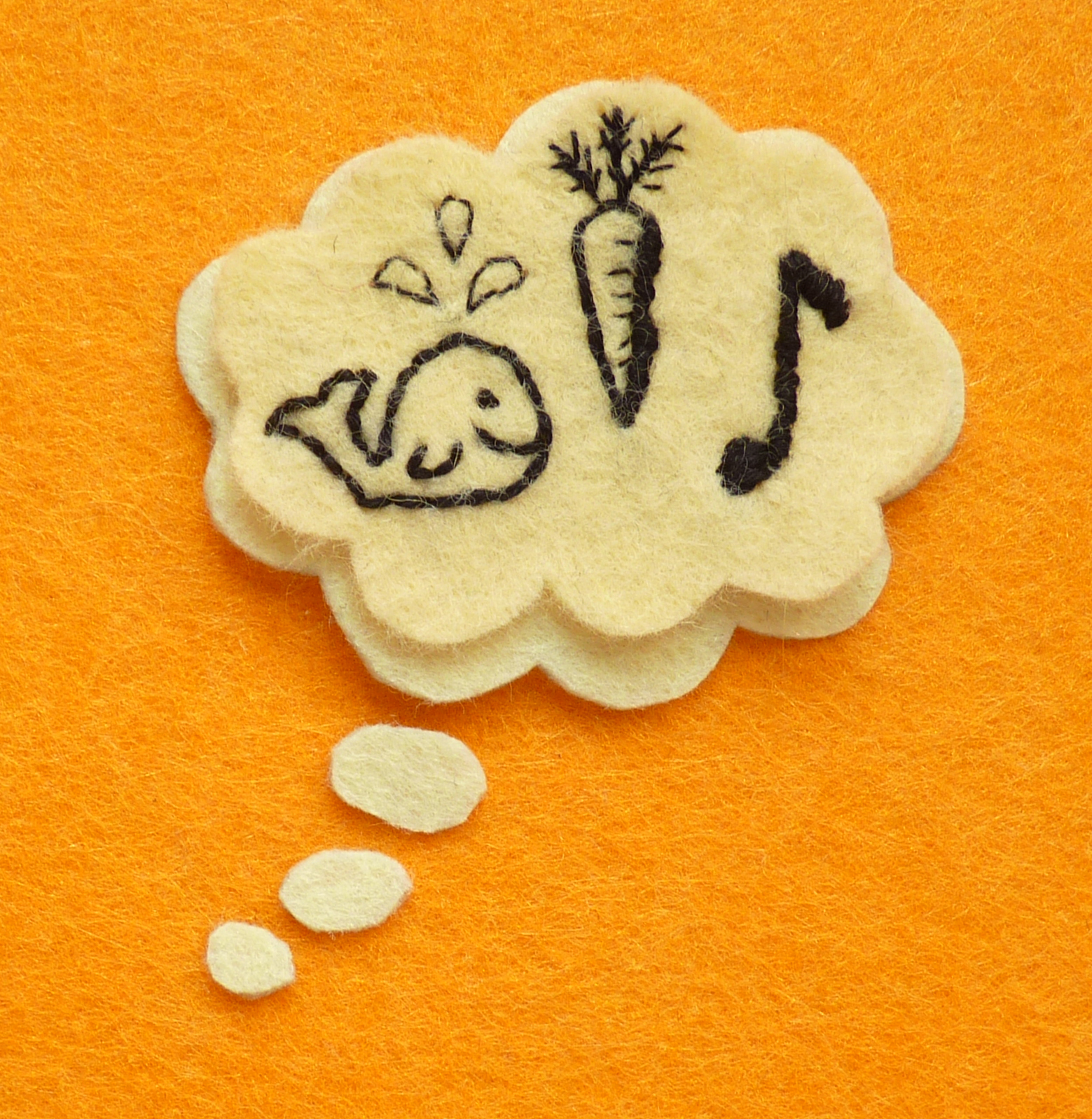
- Similarly, the diagnostic criteria consider autistic people’s interests and routines to be “restricted”, but many of us strongly value both our stable patterns of behaviour and our ability to focus for long periods on one topic, learning about it in great depth and detail. The latter is known as hyperfocus, and is a skill shared by our ADHD buddies. Autistic people often end up working in one of their areas of special interest, having used their autistic skillset to attain a high level of expertise which sets them apart from the crowd.
- We also have an easy ‘chill’ switch, if we’re in a position to indulge in our special interest: watching our beloved favourite action film series or baking mini-patisserie or doing lego or reading about amphibians or whatever our special interest is, relaxes us as effectively as a spa-break deep-heat massage treatment might relax NT folk.
- Many autists consider our capacity to take such consistent joy in things which allistic folk might consider small, insignificant or boring to be a great gift which enhances our lives (and the neurotypical failure to do so a “deficit” or “impairment” in its own right) – check out the hashtag #AutisticJoy on social media to discover more!
Click here to go back to list of chapters
7 – AUTISM CAN BE MASKED
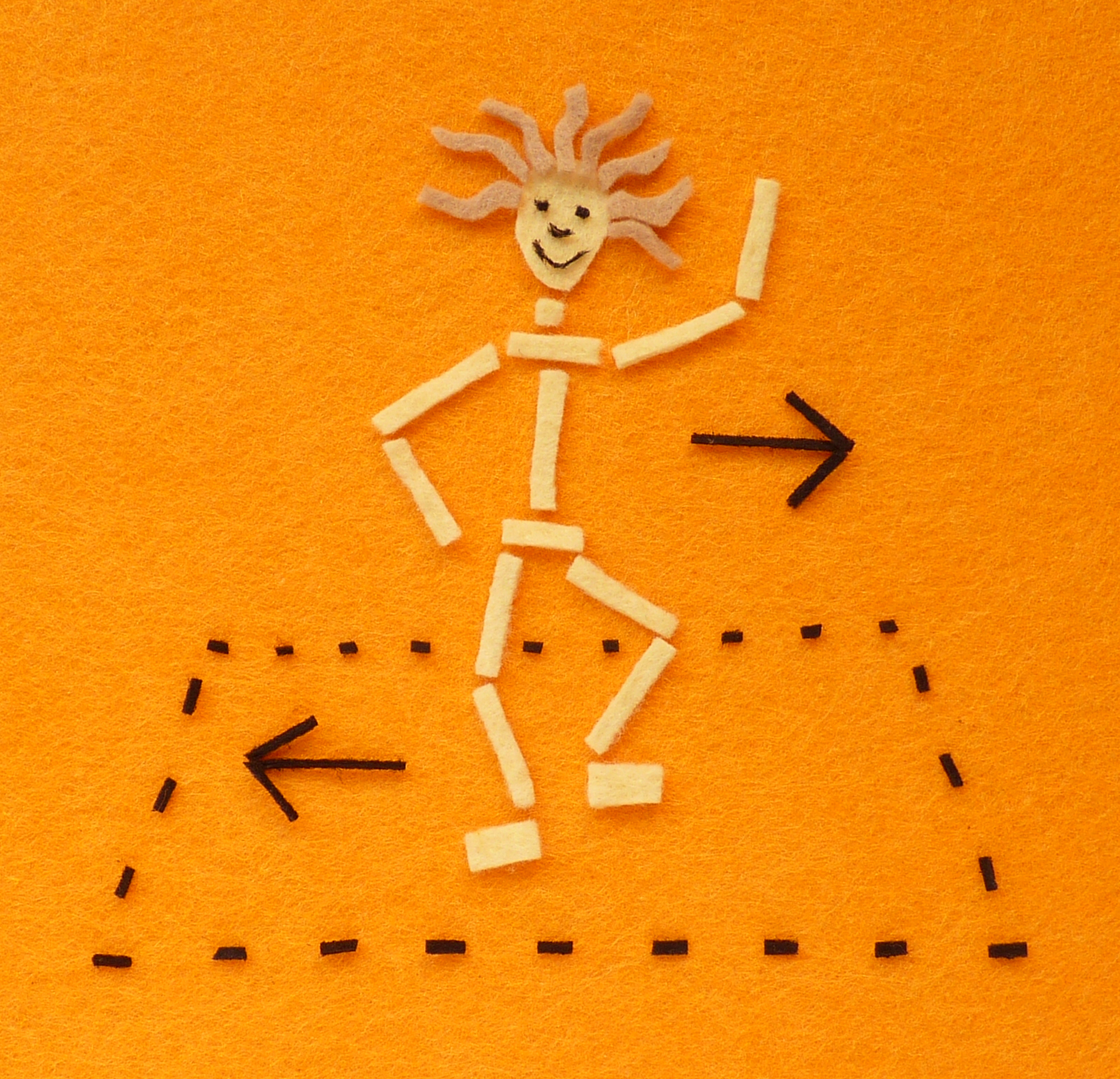
- Most autistic folk learn to ‘mask’ our true selves as we grow up, developing ways to fit more easily into a society designed to suit the needs of the neurotypical majority. For instance, autistic children often need to move their bodies more than their allistic peers, but learn to suppress this need – because it’s perceived as naughtiness, rudeness or ‘not listening’ by teachers and parents, so they get punished for it. Many autistic folk develop less noticeable movements that they can do without getting told off, which may not provide the same level of comfort but might just keep the stress of enforced stillness at a more manageable level (such as nail biting, doodling or toe wiggling). Autistic people develop systems to help our difference go unnoticed in conversations too, often rehearsing scripts for different kinds of social interactions: sometimes we even keep written or typed up notes of good phrases to use in different circumstances, or run through acronyms in our heads to remind us of acceptable social norms like demonstrating empathy or making small talk.
- In many autistics, especially those who are diagnosed later, masking can become entirely habitual and difficult to stop doing – yet it’s also draining, physically exhausting and causes us to have severe fatigue, melt downs and shut downs. If this becomes a way of life, which it often does, it can eventually lead us to suffer from autistic burnout, which can be extremely debilitating / disabling and have a long-lasting, life-altering impact.
- Masking might be one reason why you don’t believe your friend who suddenly says they’re autistic — they might have been masking for years, without understanding why this felt so hard – and only daring to be themselves in private. So masking can mean that sharing an autism diagnosis is a difficult and vulnerable process of “coming out”, with allistics often responding with negativity, disbelief and derision. Don’t be like them. Listen and care.
Click here to go back to list of chapters
8 – SELF-DIAGNOSIS IS VALID
- There are lots of reasons why people might not be able to access an autism diagnosis: most commonly, they can’t afford one, and don’t have access to free diagnostic services via the NHS or other insurance-based systems. So if you don’t believe someone is autistic because they don’t have a diagnosis, you might be refusing to believe them simply because they’re poor. Even on the NHS, it can be really hard to get a GP to put you on the waiting list (because you don’t look like Rain Man) and the list itself can often take many years. And when you get to the front of the queue, you might meet an old-fashioned, ill-informed doctor who doesn’t assess you thoroughly because – you’ve guessed it – you don’t look like Rain Man.
- There are also really good reasons why adults who believe they’re autistic might choose not to get a medical diagnosis. Many of us have been traumatised by negative experiences of healthcare in the past, and we might simply be scared of doctors. We might have been repeatedly talked down to, or prescribed inappropriate drugs which didn’t help us. We might even have been restrained by medics or institutionalised when our healthy autistic behaviours were misinterpreted as severe mental health symptoms. Or perhaps we just understand how severely medical bias can affect autistics’ access to healthcare, and we want to make sure that doesn’t happen to us. We might want to maintain agency over what happens to us in healthcare settings and reasonably fear prejudice will take that away from us if they know we’re autistic. We might have read about the removal of autistic people’s rights to access gender transition in the USA and fear our own rights being taken away. We might even have heard about the enforced Do Not Resuscitate orders given to neurodivergent patients during the first Covid wave, and genuinely fear for our lives if our identity is revealed.
- But how can we possibly know without an assessment? Well believe me, by the time an undiagnosed adult decides to tell you they’re autistic, they’ve probably been doing in-depth, meticulous research for years. They might have folders full of screening questionnaires, research studies, articles and diagnostic criteria, and have listened to every episode of 10 different autism-themed podcast series. They might also have chatted to several autistic people with longstanding medical diagnoses, who’ve all told them they’re definitely, obviously, blatantly autistic, silly! They will probably understand their autism in depth by now, and feel much happier and more productive for having understood themselves. Trust me – they might not be in a position to get a medical diagnosis, but if they’re telling you, they’re probably really sure. Trust them – by daring to tell you this, they’re placing a lot of trust in you, so the least you can do is reciprocate that trust.
Click here to go back to list of chapters
9 – NON-SPEAKING DOESN’T MEAN UNINTELLIGENT
- Many autistic people find communication freer, easier and clearer when not speaking, either some or all of the time. For us, this can vary by the time of day, or tiredness, or by stress levels, sugar levels, hormone levels, or pain levels – or it can simply take us by surprise. “Not-speaking” is more commonly referred to by medics and laymen as “non-verbal”, but some autists who don’t speak prefer the term “non-speaking” because they can communicate fluently and thoughtfully using words in other formats, for instance by typing or writing. Technologies supporting written communication have created opportunities for autistic people previously considered ‘mute’ or ‘stupid’ by authorities, family members or wider society to express their valid and valuable perspectives. Whatever the language used to describe autistic people who don’t or can’t speak, some facts remain: all people communicate in different ways, communication barriers do not mean an individual is less intelligent, and we all deserve dignity and agency in how we are treated and treat others.
- So speaking autists need to be aware that we can mask much more easily than those in our community who are non-speaking, affording many of us much more agency and privilege – with the effect that speaking and verbal autists are over-represented in both ND and NT spaces, often meaning that our voices literally speak over the contribution and perspectives of others in our community. It’s essential that we make space for everyone to be heard.
Click here to go back to list of chapters
10 – The autistic community includes varied perspectives
- There are as many different experiences of autism as there are autists in the world. But on the great autistic venn diagram, there are some big circles which include a whole lot of us: as well as grouping us along lines like gender, ethnicity, nationality or class, we also have very different experiences depending on when we were diagnosed and what happened to us after that. Someone diagnosed in early childhood who went to a ‘special’ educational school will have had a very different experience of being autistic from someone who attended mainstream schools and was diagnosed at 16, or someone who found out they were autistic in middle age. All of their perspectives are valid, and all autistic people should be heard.
- It’s important to say that this article was written by people who were diagnosed in adulthood and in their teens – it doesn’t include the perspectives of anyone who’s had a diagnosis as long as they can remember, or anyone who’s been through ABA.
Click here to go back to list of chapters
11 – YOU NEED TO KNOW ABOUT ABA
- ‘Applied Behaviour Analysis’ is a common “therapy” given to autistic children. It’s based on behavioural and educational science, and aims to increase behaviors that are “helpful” and decrease behaviors that are “harmful” or “affect learning”. A lot of autistic people are deeply sceptical about ABA, and many view it as traumatising, or even as a form of torture: this includes lots of people who’ve experienced it, and it’s a common belief amongst late-diagnosed autistics, too. However, there are also those autistic people who had ABA as children who believe it helped them, and would recommend others get it, and who might even find the clamour against it upsetting.
- This is where community cohesion gets really tough. We don’t all feel the same, and our experiences are widely varied (some of us might even identify with The Good Doctor instead of finding it profoundly offensive!). The issue is that ABA seeks to reduce autistic behaviours, ie. minimise the autisticness of autistic people. Effectively, it teaches you to mask really, really well – but for many autistics, masking comes at a very great cost, in terms of our stress levels, our physical health and our happiness. ABA is based on the principle that the best way for autistic folk to live is by fitting into neurotypical society, and that’s a belief that’s increasingly at odds with the perspective of many autistics.
Click here to go back to list of chapters
12 – We might not be impressed if you quote Simon Baron Cohen
- Simon Baron Cohen is the most well-known autism specialist in the UK: he runs lots of big bucks research studies and often appears on the TV and radio sharing his (neurotypical) perspective on Autism (most recently in the primetime BBC documentary, Our Family And Autism – if you’re autistic and your parents are alive, they probably watched it). He gets a lot of airplay and he dominates how everyday NT people view autism in this country. And he’s trying to cure it.
- Lots of autistic folk don’t like that any more than the majority of gay people are on board with curing homosexuality. They feel it’s an attempt to erase them and their culture, and the thin end of a very grim wedge indeed. We’ve all seen already how many parents are unwilling to give their children vaccines because of the terrifying prospect that it might “turn” them autistic: even if you believe that’s scientifically possible, to refuse vaccines for this reason you have to also believe being autistic is a disastrous outcome. When SBC popularises the idea that autism’s a flaw to be cured, he intensifies this belief. The fact that he wrote a book called ‘The Science of Evil’ arguing that in some people, the empathy circuits may be broken for environmental and genetic reasons beyond their control, doesn’t help us trust his intentions…
- Many autistics who are rightly proud of their difference, of their community, and of its vast cultural and scientific contributions to society, are horrified by the idea of all that being wiped out. To them, Simon Baron Cohen, however well-intentioned he might be, wants to erase their people. They begged autistic parents not to hand over their children’s DNA to his most recent study for fear that their autistic embryos would be weeded out. Yet again, it’s worth saying that some autistic adults were pleased to sign up to this study – however uncomfortable and fearful it makes many of us, some autists do support the idea of a cure.
Click here to go back to list of chapters
13 – AUTISM IS CHANGEABLE
- People can be much more noticeably autistic sometimes, and much less so at other times. This doesn’t mean we’re somehow “putting it on” or “exaggerating” – it means we’re significantly affected by our environment, by other people and by our bodies. How effectively we can navigate a society that’s not designed for us often varies from week to week, day to day, hour to hour or year to year. Again, it can be impacted by tiredness, or by stress levels, sugar levels, hormone levels, or pain levels; it might be affected by the weather, by allergies, by our emotional state, by the physical or sensory environment we find ourselves in or the social situation itself. It’s often affected by whether we’ve had enough time to “decompress” by enjoying our special interests, spending time in relaxing sensory spaces or stimming.
- Any of these factors, or simply unpredictable changes in how we feel, could determine whether or not we choose to mask in front of you (and whether or not we can). This is one reason why many autistics find the old “high-functioning” or “low-functioning” labels, and related concepts of “severity”, inaccurate and offensive: as well as pathologising us, they imply that anyone’s apparent autism is a fixed state, rather than one altered by environmental stressors, by privilege and by current capacity for masking.
Click here to go back to list of chapters
14 – AUTISTIC PEOPLE ARE HIGHLY EMPATHIC

- In the past, educators and healthcare workers have used language which many autistic folk find shocking to describe our emotions and compassion, like “behind a veil” or “beneath a layer of glass”. The most vulnerable autistic people often find themselves in institutions run by people who believe such things, which are far from the truth and generally represent a misinterpretation of autistic behaviours viewed through a neurotypical lens.
- Autistic people are often actually more empathic and compassionate than our allistic peers. Many autists are profoundly moved by the experiences of others: we can be extremely distressed by footage of people or animals suffering on the TV, and tend to excel in caring professions such as counselling. We may express or process our emotions differently from neurotypical folk, but it doesn’t necessarily follow that we’re not experiencing them. Autistic emotions can lead us to unpredictable, confusing and unpleasant places – frustration, loneliness, fury, numbness, overwhelmedness. But so too do we feel peace, presence, love, pride, power and sheer excitement! Expressing such emotions in healthy autistic ways can make us objects of neurotypical pity or fear, with no attempt to understand why expressing emotions in different ways might be valid and healthy. Most autistic people act with great care and consideration to the needs of others.
- Autists are actually most likely to become emotionally reserved, or even distracted from emotional cues, when we’re under severe emotional stress or tiredness. The fact that this has become a key diagnostic expectation of our community could be considered an indictment of our treatment at the hands of neurotypical society – perhaps the very spaces we were assessed in were causing us extreme stress? This unfortunately shows, yet again, how much institutions like schools and hospitals can often fail to understand autism, as well to support autists with high-support needs. This is systemic ableism in action.
Click here to go back to list of chapters
15 – MANY AUTISTICS EXPERIENCE WRITTEN COMMUNICATION DIFFERENTLY
- As with speaking and body language, there can be differences in how autistic and allistic folk engage with the written (or typed) word too – creating communication problems which work both ways. Crucially, many NTs are unaware that autists might need accommodations relating to written text or documents (including instant messaging), so fail to consider what might be needed. On top of that, there’s a lot of variety in the written communication needs of autistic people, so the only way to make writing accessible is to ask about needs and provide varied formats as far as is possible. None of us will ever be able to do enough on access – all we can do is keep pushing and working and trying and listening as far as our own capacity and situation and needs allow. If we’re doing that – if we’re making sure we keep learning and listening, that’s all anyone can ask.
- Helpful adjustments can include:
- Adapting the formatting of typed or written materials: it’s important to ask ND folk how they need documents formatting, and to listen and believe their needs. For instance, many autists can’t interpret big blocks of text and find bullet points and text boxes helpful. Increased line spacing and using non-serif fonts are also preferred by many – but the needs of autists vary much more than those of dyslexics, so a flexible approach is essential. Audio messaging / audio description can be a useful alternative for some of us. We understand all too well that your capacity to produce alternative formats might be hampered by your money, time and tech resources, as well as your own access needs.
- Understanding that autistic people often use clearer, more literal language: so NT turns of speech or idiomatic phrases might be taken at their literal face value – or conversely, something you read as having an emotional subtext might simply be intended in its literal sense. This is the case with face to face communication too, but in text form we don’t have other cues to help us interpret what NT people are getting at. Such communication barriers can be especially excluding in recruitment contexts, where autistics can really struggle to interpret questions written in ‘management speak’, like “what makes a good team?”: checking your questions use literal language makes them more inclusive. These issues can also cause conflicts in email communications, where misinterpretations might not be picked up immediately, allowing misunderstanding to fester and multiply.
- Making it really clear when something needs doing by: “As Soon As Possible” can imply that task is more important than eating, for instance – or that it’s waiting on something out of your control, but as soon as that thing arrives, doing the task will become more important than eating. Giving a deadline of next Monday afternoon, instead, might give someone the ability to structure their own time in a way that’s helpful to how them to work effectively.
- Beginning to view your actions as an NT person, outside of your own perspective (this is harder!): How would someone else read this email? Where would their eyes go? Which bits of information in this formatting would they be drawn to?
- Being thoughtful, intentioned and honest with your use of language (and your actions) will have a real impact on understanding between NT people and autistics. These processes of change are continuous and adaptive, and highly individualised – and the support we need can also change day-by-day or hour-by-hour. But there’s so much more we could all do to make things easier for everyone.
Click here to go back to list of chapters
16 – AUTISM IS SENSORY
- Many people know that autistic people experience sensory differences – but these are all too often misunderstood, too. Autistic folk process sensory information differently from the majority of people – but the precise nature of this difference varies significantly from autist to autist, so you can’t simply apply a one-size-fits-all approach (for example, turning the sound down and the lights up and expecting all autistic audience members to be grateful). The reality is that autistic people are either sensory-avoidant or sensory-seeking across any number of types of sensory information: some autistics will be different from the majority in every sense (literally) whereas others will only process one type of sensory information differently (eg. sound). So while one autistic person might need a lights up / sound down performance, another might need the sound extra loud and the audience lights out completely to be able to follow the story – and a third might love intense lightshows and noisy sound design, but find the velvet upholstery on the seats excruciatingly itchy. A fourth might prefer the same light and sound levels as their NT peers, but also need to move around and have stims and tics without being shamed by other audience members, front of house staff or self-focussed performers.

- And we need you to understand that this isn’t just being picky, or petulant, or demanding – we’re not doing it to make your life difficult. We literally experience the world differently: so those lights might seem so bright to me that I physically can’t keep my eyes open, or strong smells might be so overwhelming that I get a migraine. That high pitched electric hum you can hardly even hear might be as painful to me as someone scratching my skin with a needle.
- It’s this difference in sensory perception which means that autistics often find the sensory experience of inhabiting NT-led spaces (ie. most spaces) incredibly stressful, which we call “sensory overwhelm”: this can lead to melt-downs or shut-downs, and we often need sensory decompression time to recover. For instance, I might enjoy the pub on Friday, but then need to stay in until Tuesday to recover – meaning I can only go to the pub on Friday if I’ve got Monday off!
- This concept ties in with spoon theory, which disabled people (including autists) often use to describe their fluctuating energy levels: if you care about disability inclusion, it’s an important concept to get your head round!
- Autistic sensory differences occur across all the senses too: the five better-known ones (sight, hearing, touch, taste and smell) plus some others you might not be familiar with, like proprioception (the perception of your body in space), thermoception (the perception of temperature), equilibrioception (the perception of balance) and interoception (the perception of inside your body, which includes things like hunger and pain sensation – also classified as a sense in its own right, nociception). That’s why stims and toys which stimulate bodily movement are so helpful to autistic people. So from the example above, an autistic audience member might need the sound loud, the auditorium cool and to be sitting at ground level on a flat floor with a bouncy cushion. When you welcome a group of autistic folk into one space, you’ll often encounter contrasting needs which require sensitive negotiation and creative thinking from everybody. This concept is called “Access Friction”.
- This is why it’s so important to communicate the sensory experience as part of your access information: you can’t realistically expect to create a venue or an event which caters to every autistic person’s sensory needs, but you can explain what the sensory experience will be like both during the event, and beforehand / afterwards (eg. the bar area plays loud music before the concert, but we also have a quieter room where you can have a drink next door). It’s so helpful to provide a visual story or a video tour showing the journey to and from an event (from outside, or even from the station!), as well as the event space itself, so we know what to expect and can make some adjustments if neccesary: for instance, noticing the chairs are itchy velvet and bringing a cotton sheet to drape over it!
- So an important step is to provide more than one “non-standard” option: for example, rather than providing one catch-all ‘relaxed’ performance, why not offer a performance for sensory-seekers AND one for sensory-avoiders? In this way, at least you’re likely to cater for a wider range of ND audiences.
- And crucially, it’s essential that you share a dedicated access contact on your website, saying “if what we’re offering isn’t accessible to you, please get in touch and tell us what you need” – and then if they do, go the extra mile to make it happen…
Click here to go back to list of chapters
17 – AUTISTICS LOVE TO BE PREPARED
- One great rule of thumb for supporting your autistic friends, colleagues or audience members is that we don’t tend to love the unexpected! Again, one size doesn’t fit all, but the majority of autistic people find it really helpful to have fair warning about what will happen, with plenty of chance to get familiar with locations and ways of doing things before we do them.
- For example, these simple actions can make a big difference to our wellbeing and be crucial access adjustments:
- Sending us a session plan three days in advance
- Letting us know about a change of room before lunch instead of after
- Sharing basic info about new spaces or settings in advance (eg toilets, shops, travel, access info)
- Sharing photos, videos and sensory info of new spaces or settings in advance
- Letting us look at interview questions a few days beforehand
- If you’re running a regular group session or meeting, try to stick to the same overall schedule so we get used to what’s going to happen, how and when
- Understand we might well enjoy taking the same route somewhere each time, even if it means waiting longer for the bus on a Saturday, or sitting at the same table in the same cafe rather than trying out lots of new ones (this is partly because we like familiarity, but also means we won’t have to negotiate unexpected things which aren’t accessible: eg. I might like that specific table at that specific cafe because it’s the perfect distance from the speakers and I can smell the lavender instead of other people’s food).
- With autistic children, it can reduce stress to give several warnings of demands or changes (eg. you’ve got to go to bed in an hour, then 20 minutes, then 10 minutes, then 5 minutes, then now) – and this principle works for adults, too! Try to avoid suddenly asking us to do something unexpected if possible: we need time to process what is going to happen. If you keep changing the goalposts on us, we’ll really struggle.
- Don’t misunderstand the word ‘relaxed’: if you like to think you’re ‘relaxed’ because you don’t fix who’s doing what, having an improvisatory approach to event management and just reading the room in the moment, the reality is that your autistic colleagues probably feel stressed, disorientated and confused; if you promise a “relaxed chat” instead of a formal interview, and then ask interview questions, your autistic applicant won’t be able to express themselves effectively and might have a meltdown afterwards.
Click here to go back to list of chapters
18 – MELTDOWNS, SHUTDOWNS AND THEIR TOLL
- When we take on too much in our senses, there is a physical toll – as in the pub example above, this happens even if the sensory experience is a pleasant one. Meltdowns and shutdowns are instinctive defense mechanisms against sensory overload. To reduce the intensity of the overload, we might need to seek out stimulation to distract ourselves from it, or to cut out stimulation entirely. When we can’t regulate our senses properly, we’re faced with two options – to try and continue interacting with the world, or to reduce what we interact with.
- Generally, these end up leading to meltdown, or to shutdown, respectively. Meltdown often involves crying, shouting, and stimming. It can feel like a panic attack, or like the stress just exploding out of you – and like a panic attack, it feels unstoppable when you’re experiencing it, and is often made worse by people telling you to stop. It’s not a temper tantrum (even though it can look similar). In contrast, shutdown means keeping quiet, still, muted and unresponsive, and often (but not always) follows a meltdown. It’s a bit like going into safe mode. Both occur when we are unable to interact with our environments effectively and our body responds to this. Both are exhausting, physically and mentally – particularly meltdown. Meltdowns especially will require us to take time to recover over the next few days.
- If you encounter someone you think is in autistic meltdown or shutdown it can be helpful to:
- Make sure there aren’t many people watching them
- Make the space is as quiet and calm as possible (eg. turn the computer screen and music off)
- Ask if there is anything sensory you can get for them that will be helpful
- Don’t expect them to speak
- Don’t invade their personal space, and especially don’t touch them unless asked to do so
Click here to go back to list of chapters
19 – AUTISTICS LOVE HONESTY!
- You might be worried that we’re sensitive or vulnerable – but in reality we prefer clarity, or even bluntness. We don’t always instinctively read between the lines, so we’d much rather you just come out and say clearly what you mean! Subtle clues might just make us feel paranoid without letting us know what you want from us.
Click here to go back to list of chapters
20 – NTs don’t need to resign themselves to a future where autistic people have a bad time of it
- We’re all individuals with different needs. One-size-fits-all access adjustments often fail, so we ask you to be patient and flexible, staying positive about creative solutions which include everybody. If turning down the background music didn’t help the autistic child in your group, what else could it be? Maybe it was the out of time clapping, or the weird, electronic hum which got even more audible when you turned the music down? What if the issue was the instructions themselves being confusing, rather than the child having difficulty listening to them?
- Many of the barriers we autists face are caused by ignorance and confusion, exacerbated by the range of sometimes conflicting access and support needs that we need met to function and to thrive. Ignorance of access adjustments relating to autism is also increased by many academic studies on autism having a medical and pathological slant (i.e. relating to the study of disease and disorder), rather than an autistic-led social perspective inspired by the social model of disability (which says that people are disabled by physical or attitudinal barriers in society, not by their impairment or difference).
- But it’s important that allistic folk aren’t frozen into inaction by their fear of getting things wrong. Simply by making time and space to listen in accessible ways, NT people can make successful changes to their practice and environments, which make them much more accessible to many autistic folk – but the first step really is going to be to learn, to ask and to understand. This understanding will not be perfect: even as individuals, we autists learn to match our needs as they change. But the beginning of a reasonable, fair, conversation about both ND and NT people’s needs would make such a difference.

 cloud cuckoo land